
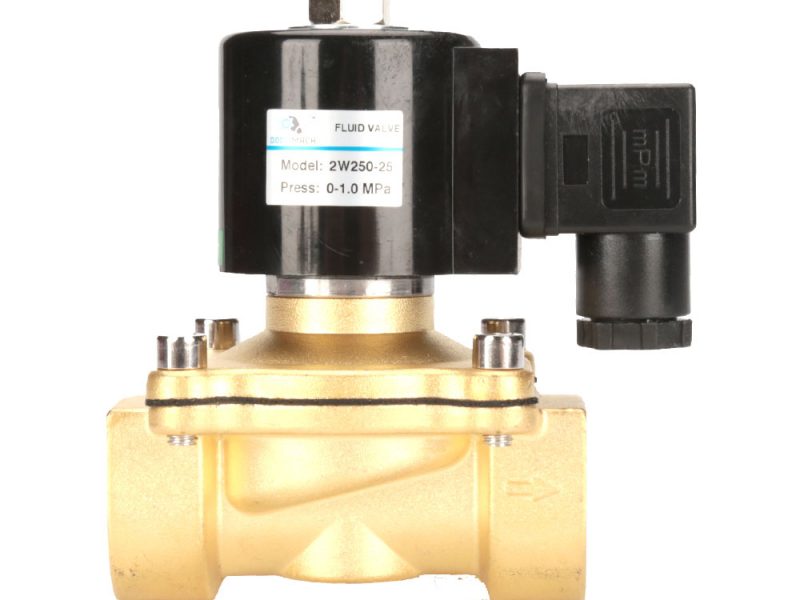
3 Essential Guidelines For Pneumatic Or Fluid Solenoid Valve
A pneumatic or fluid solenoid valve is a crucial component of any control system. The valve belongs to pneumatic control or electric control, and it is commonly applied to control the flow of liquid or gas.
So it is more convenient that engineers haven’t to manually control the valve and the production lines become more automatic. The various types of valves also enable the enterprise to select and in order to suit the application more consistently.
But what’s the operating principle of the valve? What are the symbols on the valve mean? How can we understand the order code more clearly?
In the previous article, we mentioned how the solenoid valve works, and in this article, we’ll explain the solenoid valves working principle and other guidelines.
Let’s looking down together!
What’s the operating principle of the pneumatic or fluid valve?
The valve can be divided into tow types, named pilot-oriented valve and direct-acting valve.
Pilot-oriented fluid solenoid valve:
The two way pilot-oriented solenoid valves have two chambers separated by a diaphragm. The upper chamber is connected to upstream through a pilot hole in the cover or diaphragm. The medium exerts a pressure that acts on the diaphragm and keeps the valve closed.
When the coil is energized, it allows the operating chamber to de-pressurise. And then the upstream pressure under the diaphragm is continued which can lift the diaphragm and open the valve orifice.
Therefore, pilot-oriented valves can only work with a suitable upstream differential pressure and can not work at zero pressure. Also a minimum differential pressure across the valve is required to keep them open or closed.
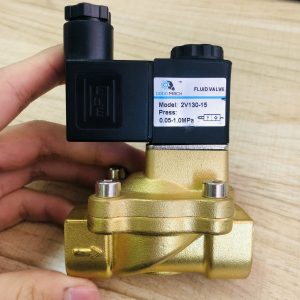
As a result, pilot-oriented valves can provide high flow rates at high pressures with low-power consumption.
Direct-acting fluid solenoid valve:
Direct-acting solenoid valves’ main difference is they don’t need a diaphragm, their seal is a part of the whole moving core. Two-way NC direct-acting solenoid valves have a spring which holds the core against the seal.
When the coil is energized, the spring is overcome and the seal is lifted. That is how the valves to be opened and allow the medium through the valve.
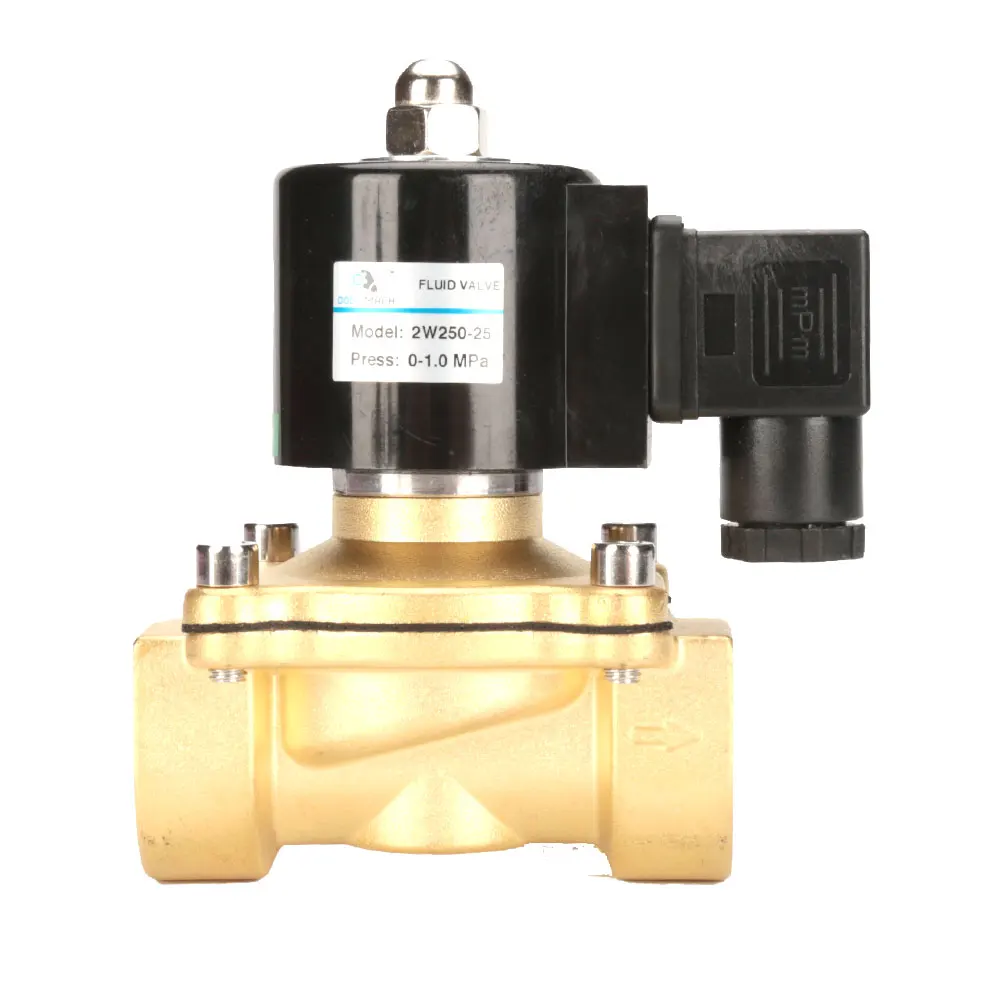
Two-way NO direct-acting solenoid valves have a fixed core which usually in the bottom section of the armature tube, and the armature tube is located in the high position of valves.
What’s more, there is a valve stem passes through the fixed core and is linked together to the seal. Therefore when the valve is energized, the valve will be closed.
Generally speaking, the three-way direct-acting solenoid valve operates in almost the same mode as a two-way direct-acting solenoid valve. And the fixed core has an exhaust orifice running through it, the plunger has an upper and a lower seals that allow fluid or gas to or from either the inlet or exhaust port.
Direct-acting solenoid valves are used that there is no need for certain pressure value requirements. A direct-acting solenoid valve would remain closed, even there is no pressure to be applied.
All in all, this is just the opposite of a pilot-oriented valve, which need a specially designated differential pressure to open the valve.
What are the symbols on the pneumatic or fluid valve mean?
Meaning of orifice mark letters:
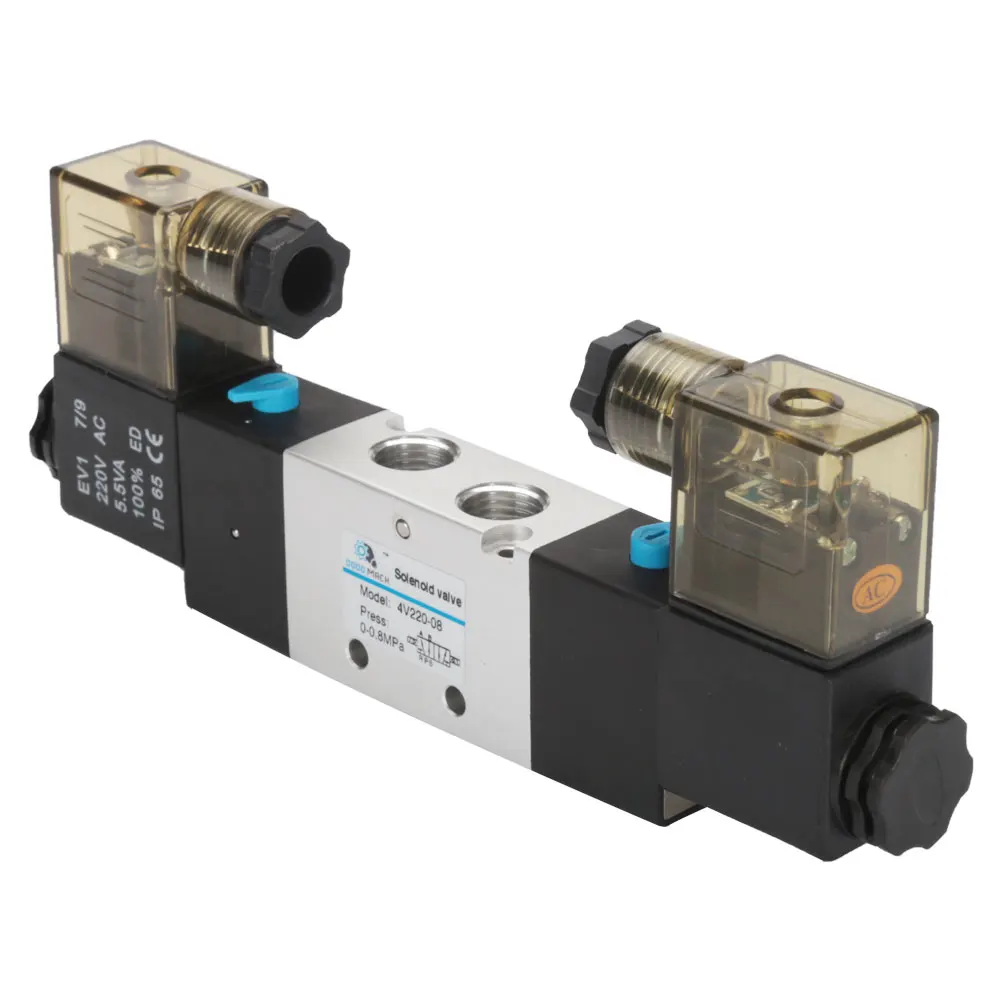
Normally, there are two or three or five ports in one solenoid valve. The P letter means the import, A and B are the working ports, R and S are the exhaust ports.
A 2-way solenoid valve has two ports, an inlet and an outlet. Flow direction is critical to ensure proper operation, so there is an arrow to indicate the flow direction.
A 3-way solenoid valve has three connection ports. Therefore, it has 2 positions it can be in and it switches between two different circuits. A 3-way valve is used to open, close or distribute media.
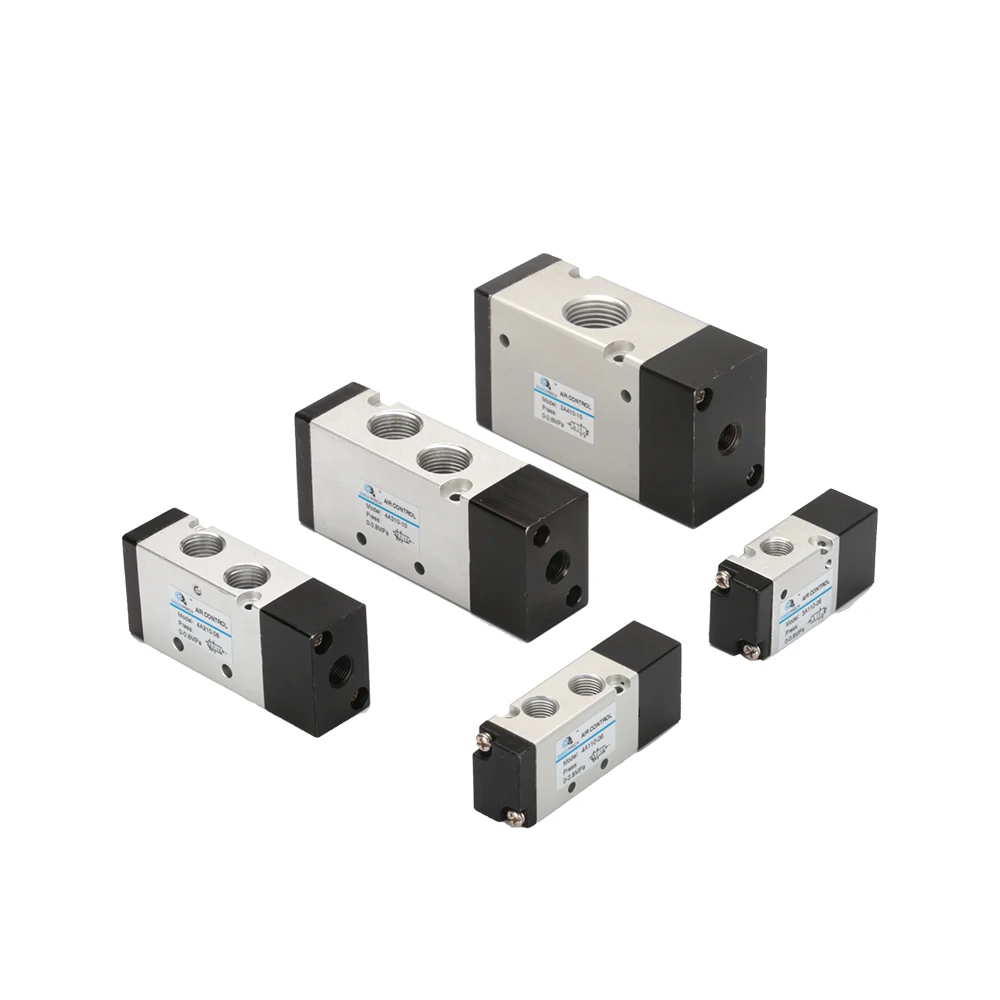
So we can clearly understand that 3V or 3A series valves are two-position three-way, and 4V or 4A series valves are two-position five-way or three-position five-way.
Pneumatic solenoid valve’s woking diagram on the label:
We can see that the working diagram on the label has two states.
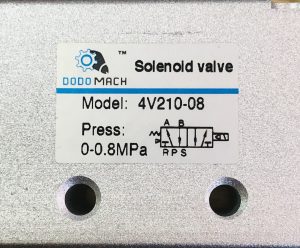
One working state is to enter from inlet P, exit from working port B, and the treated gas enters from working port A and exits from port R. And in this state, the exhaust port S is closed.
The other working state is from port P to working port A, and the treated gas flows from port B to exhaust port S. Similarly, the exhaust port R is closed.
What’s more, the Press next to the working diagram is the pressure digital range when the solenoid valve works.
Selection criteria:
Type of solenoid valve:
Decide to choose a 2-way or 3-way solenoid valve.
Housing material:
Determine the housing material based on not only the chemical properties and temperature of the media, but also valve’s environment.
Seal material:
Seal material should be chosen based on the temperature and chemistry properties of the media. NBR, EPDM, PTFE and FKM are the most common options.
Voltage:
There are two versions, AC and DC. Each have some pros and cons.
Valve function:
You should decide to choose a normally open or closed valve. And the majority of solenoid valves are normally closed. So if the valve’s opening time is longer than closing, an NO valve is preferred.
Pressure:
Ensure the valve must be able to support the maximum pressure which is required for your application. It’s also important that you should notice the minimum pressure as high pressure differential.
Operation type:
Determine your application requires a direct, semi-direct or indirect operated
Temperature:
Ensure the valve materials can support the minimum and maximum temperature requirements of your application. Temperature consideration is also important to determine valve capacity.
Response time:
The response time of valves is the time that need to go from the open to closed position.
Approvals:
Ensure that valves have some certain approvals ensures it can fulfill the application.
Degree of protection:
Ensure the solenoid valve has the appropriate IP rating for protection from liquid, gas or other things.
Finally, if you want to know more details, you can click this link to view.
If you have any question about these or other pneumatic components, please feel free to contact us.