
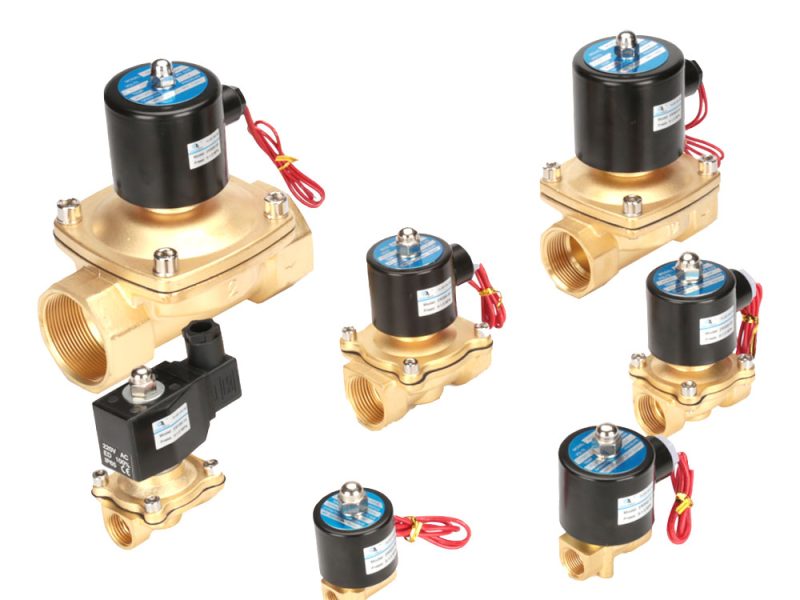
Solenoid valves are critical components in industrial systems, and their stability directly impacts productivity. Regular maintenance prevents failures, extends life, and maintains optimal performance, thus reducing the risk of downtime and lowering repair costs. A scientific maintenance process that includes inspection, cleaning, and testing is essential to guarantee system reliability. If you have purchased a solenoid valve from DODOMACH and are unsure how to extend its service life, this guide will provide essential insights.
Basic maintenance of solenoid valves
Maintenance of solenoid valves involves replacing worn parts and cleaning the interior to prevent impurities from affecting performance. If abnormal noise, leakage, or delayed operation occurs, clean the valve promptly and investigate the cause of the malfunction. Proper maintenance effectively improves valve reliability and extends its service life. The following are specific maintenance steps:
To ensure safety, disconnect the power supply and release system pressure before operation. At the same time, take precautions related to fluid or gas control.
Inspection steps:
Coil inspection: Inspect the coil package for cracks, which in humid environments may allow moisture infiltration, leading to malfunctions. Also, check the connector for corrosion or damage.
Installation confirmation: Ensure that the solenoid coil is correctly installed on the valve sleeve or valve stem. For solenoid valves with complex structures such as diaphragms and cylinders, strictly follow the instructions in the manual.
Disassembly and inspection:
After removing the coil, the pressure regulator is exposed. Use a special tool, such as a wrench, to remove the sleeve, avoiding excessive force that could cause deformation or damage.
After removing the sleeve, inspect internal components (eg., plunger, spring, O-ring) for wear. Replace any damaged parts immediately.
Sealing parts: Check for swelling, cracking, or aging.
Spring: Check for wear or breakage.
Valve body: Check whether the opening is damaged or the top is corroded.
Plunger and sleeve: Check whether the contact surface is worn.
Reassembly and installation:
Assemble the pressure vessel according to the manufacturer’s specifications, clean off any deposits, and restore all components to full functionality before reconnecting the coil. Reinstall the valve in the equipment, ensuring that all components are correctly positioned, and finally connect the power supply.
Note: During maintenance, a properly functioning valve armature should produce a slight metallic click sound. If there is abnormal noise, performance degradation, or leakage, it means that the valve needs cleaning and maintenance. It is recommended to clean the matching filter at the same time to ensure system cleanliness. To ensure safe operation, a comprehensive leak detection and functional test should be performed at least once every four weeks.
When to repair the solenoid valve
The timing of solenoid valve maintenance should comprehensively evaluate the risk of failure, maintenance cost, and equipment status. The best option is to handle it simultaneously when the equipment is shut down for maintenance. It is necessary to weigh the impact of the failure and the maintenance cost, formulate a plan based on the overhaul cycle, and optimize the maintenance plan through operation monitoring to ensure a balance between reliability and economy.
Security risk level: For high-risk industries such as the chemical and nuclear industries, strict preventive replacement strategies must be implemented, zero-tolerance maintenance standards must be established, and replacement measures must be taken immediately for any minor defects.
Production Impact Assessment: During the critical production operation stage, solenoid valve failure may cause major downtime accidents, so a periodic detection mechanism must be established to effectively control operation risks.
Economic loss analysis: Solenoid valve failure may lead to chain economic losses such as product scrapping, equipment damage, and loss of production capacity. In high-value-added industries, a complete proactive maintenance mechanism must be established to prevent such risks.
Cost-benefit balance: When formulating maintenance strategies, it is necessary to systematically compare the full-cycle costs of preventive maintenance and post-failure repairs. Under specific operating conditions, the use of regular replacement plans can often achieve better economic benefits.
Maintenance frequency
The maintenance cycle of the solenoid valve needs to be tailored to its structural characteristics and working environment. Under harsh working conditions, the internal and external parts of the valve may suffer greater wear, and the maintenance interval should be shortened. It is particularly important to note that the lack of effective lubrication will significantly accelerate the wear of components, which may shorten the replacement cycle to less than 100,000 cycles; while the use of suitable lubricating media can greatly improve durability and extend the service life to millions of cycles.
Problem Solving and Failure Prevention
Coil failure
Abnormal voltage
Applying voltage that does not match the coil rating may cause burning. The power supply voltage and frequency should be consistent with the coil marking to avoid damage from surges or spikes. It is recommended to install a surge protection device.
liquid intrusion
Contact with water or other liquids will damage the coil. Although the coil with a DIN connector has a protection level of up to IP65, it still needs additional protection in humid environments. Some solenoid valves are equipped with armature tube O-rings, which need to be checked regularly and replaced in time if worn.
Impurities blocking
Particles entering the armature tube may hinder the armature movement, causing the coil to overheat due to continuous power supply. It is recommended to install an upstream filter and install the valve vertically to reduce the risk of impurity accumulation.
If the coil is burned or damaged, it must be replaced.
Valve failure
Most failures can be avoided if the valve is properly installed, maintained, and operated within specifications. However, determining the root cause of a failure can be complex and involve multiple factors. The following are key troubleshooting areas:
Abnormal pressure
Exceeding the valve pressure rating may result in component damage, such as diaphragm rupture or valve body deformation.
Pilot and auxiliary lift valves must meet minimum pressure requirements or they will not function properly.
Temperature out of range
Excessive medium or ambient temperature may cause deformation of seals, O-rings, or discoloration of components.
Long-term over-temperature operation will accelerate material aging and affect valve performance.
Media contamination
Sediment or particles entering the valve may cause seal failure, making the valve unable to close completely (such as leakage).
Impurities may block the valve hole and affect normal opening and closing. Filters need to be installed and maintained regularly.
Material compatibility issues
Mismatched media and valve/seal materials may result in corrosion or reduced sealing performance.
Chemical impurities in the media may also accelerate component degradation.
The risk of valve failure can be effectively reduced through regular inspection, correct selection, and standardized operation.
FAQS
How can I determine if my solenoid valve requires maintenance?
Signs such as hysteresis, abnormal actuation, or unusual noise indicate that maintenance is needed, it indicates that timely maintenance is needed. Implementing a regular inspection mechanism can effectively identify potential defects in the early stage and prevent the problem from further deteriorating.
How often do solenoid valves require maintenance?
It is recommended that the solenoid valve be maintained periodically every 6-12 months. The specific interval should be determined based on the actual working conditions and refer to the manufacturer’s technical specifications.